Some people can’t stand the taste of raw broccoli, dark leafy greens, or black coffee, describing a bitterness so strong it overwhelms everything else on the plate. Others eat the same foods without noticing much bitterness at all. This isn’t pickiness or a difference in how someone was raised to eat. It traces back to a specific, well-studied gene that shapes how strongly a person perceives bitter compounds, and it varies notably across ancestral populations.
Bitter taste perception is one of the more approachable examples of genetics in everyday life, since almost everyone has a strong opinion about at least one bitter food. This article explains the gene behind this trait, how it varies across populations, and how you can find out where your own genetics fall, using a resource many people already have without realizing it.
The Gene Behind Bitter Taste Perception
The gene most closely studied for bitter taste perception is called TAS2R38, which produces a receptor on the tongue that detects specific bitter compounds. One of the most studied compounds is a substance called PTC, along with a related compound called PROP, both of which taste intensely bitter to some people and nearly tasteless to others, depending entirely on which version of the TAS2R38 gene they inherited.
Taster, Non-Taster, and Supertaster
Researchers generally classify people into a few broad categories based on this gene. Non-tasters carry a version of the gene that makes them largely insensitive to these bitter compounds. Tasters carry a version that allows them to detect the bitterness clearly. A smaller group, often called supertasters, carry a combination of variants that makes bitter compounds taste especially intense, often extending to a heightened sensitivity to bitterness in general, not just the specific compounds researchers originally studied. Supertasters sometimes report that even everyday foods most people consider mild carry a noticeable bitter edge.
How Bitter Taste Genetics Vary Across Populations
Research into TAS2R38 has found that the frequency of taster, non-taster, and supertaster variants differs across ancestral populations. Some populations show a higher proportion of non-tasters, while others show a higher proportion of tasters or supertasters, patterns that researchers have documented across a range of population studies. This is part of why bitter taste sensitivity has become a commonly used example in genetics education, since it demonstrates a clear, measurable trait that maps to a single, well-understood gene while still showing meaningful variation across populations.
It’s a good reminder that food preferences people sometimes attribute purely to culture or upbringing can have a genuine biological foundation running underneath them. A dish considered a beloved staple in one culture and an acquired taste in another may reflect, at least in part, population-level differences in how that food’s bitter compounds are actually perceived.

Why This Shapes More Than a Few Food Preferences
Bitter taste sensitivity affects more than reactions to broccoli and coffee. Many vegetables in the cabbage family, along with certain fruits, dark chocolate, and some medications, contain bitter compounds that supertasters detect far more intensely than non-tasters do. Researchers have studied whether this heightened sensitivity influences long-term dietary patterns, since people who find certain vegetables unpleasantly bitter may be less inclined to eat them regularly.
This trait also tends to run consistently within families, following standard genetic inheritance patterns. If you’ve ever wondered why one relative refuses to eat brussels sprouts under any circumstances while another finds them perfectly pleasant, this gene is very likely part of the explanation. It’s the kind of long-running family disagreement that usually gets chalked up to personality, when the real explanation has been sitting in a single gene the whole time.
Checking Your Own Taste Genetics
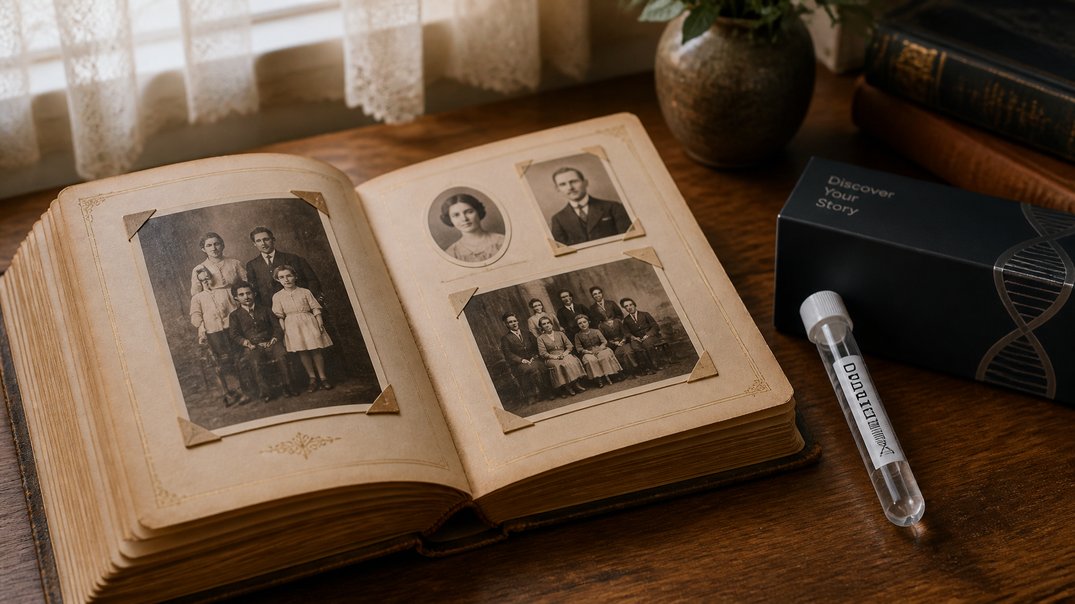
If you’ve already taken a DNA test for genealogy purposes, you don’t need a new test to explore this trait. Your downloadable raw DNA file contains the genetic markers connected to bitter taste perception, separate from anything used for your ancestry results. Uploading that file to a health-focused platform like SelfDecode allows you to see where your TAS2R38 variants fall, offering insight into whether you likely fall into the taster, non-taster, or supertaster category. The platform accepts files from AncestryDNA, 23andMe, and several other major testing services, so it doesn’t matter which company originally processed your sample.
It’s worth knowing that an uploaded file provides a more limited preview than SelfDecode’s own dedicated DNA kit. Third-party files cover a smaller portion of the genome and haven’t gone through SelfDecode’s in-house lab processing and validation, so the results are less complete and less precise than what their own kit provides.
For a more thorough look at how your genetics relate to taste perception and other diet-related traits, the SelfDecode At-Home DNA Test Kit reads a much larger share of your genome and unlocks detailed reports across a wide range of health categories. It’s a straightforward way to finally explain a food preference you’ve likely had strong opinions about your entire life.
The next time a family debate breaks out over whether black coffee tastes fine or genuinely unpleasant, there’s a good chance the disagreement isn’t about taste in the abstract sense at all. It’s a difference written directly into a single, well-studied gene, one that’s been quietly shaping dinner table opinions for generations without anyone realizing why.
Frequently Asked Questions
What gene affects bitter taste perception?
TAS2R38 is the gene most closely studied for bitter taste perception, producing a receptor that detects specific bitter compounds like PTC and PROP.
What is a supertaster?
A supertaster carries a combination of TAS2R38 variants that makes bitter compounds taste especially intense, often extending to heightened sensitivity to bitterness in general.
Does bitter taste sensitivity vary by ancestry?
Yes. Research has found that the frequency of taster, non-taster, and supertaster variants differs across ancestral populations.
Can bitter taste genetics affect what foods someone enjoys eating?
Yes. Many vegetables, fruits, and beverages contain bitter compounds that supertasters detect far more intensely, which researchers have studied in connection with long-term dietary patterns.
Can I check my own taste genetics using an existing DNA test?
Yes. Raw DNA files from services like AncestryDNA or 23andMe can be uploaded to a health-focused platform such as SelfDecode to check for genetic markers related to bitter taste perception.


