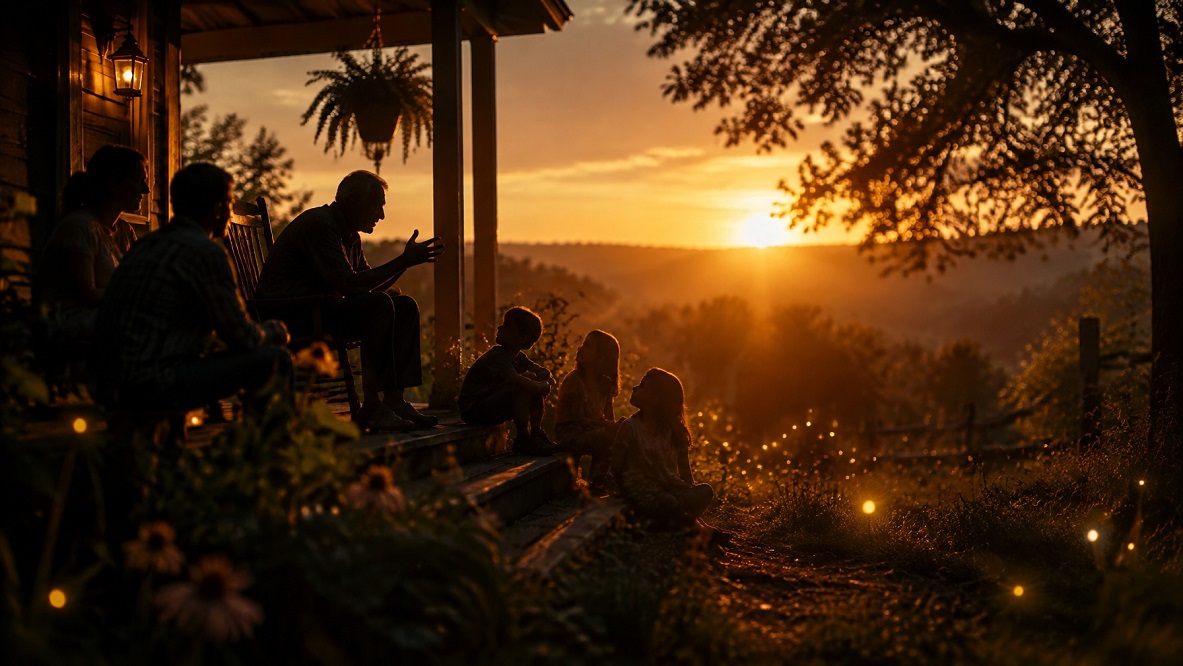
How to Turn Your Family History Research Into a Story Your Grandchildren Will Actually Read
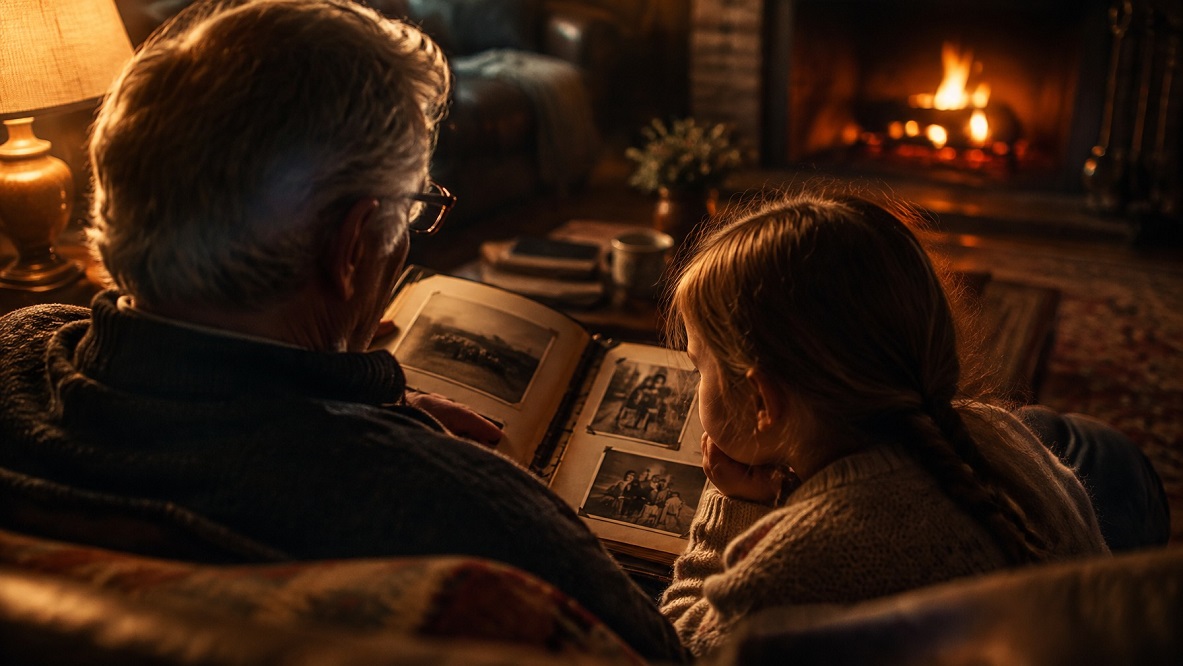
To turn your research into a story your grandchildren will actually read, pick one person and one moment, write for a reader their age, and […]
To turn your research into a story your grandchildren will actually read, pick one person and one moment, write for a reader their age, and […]
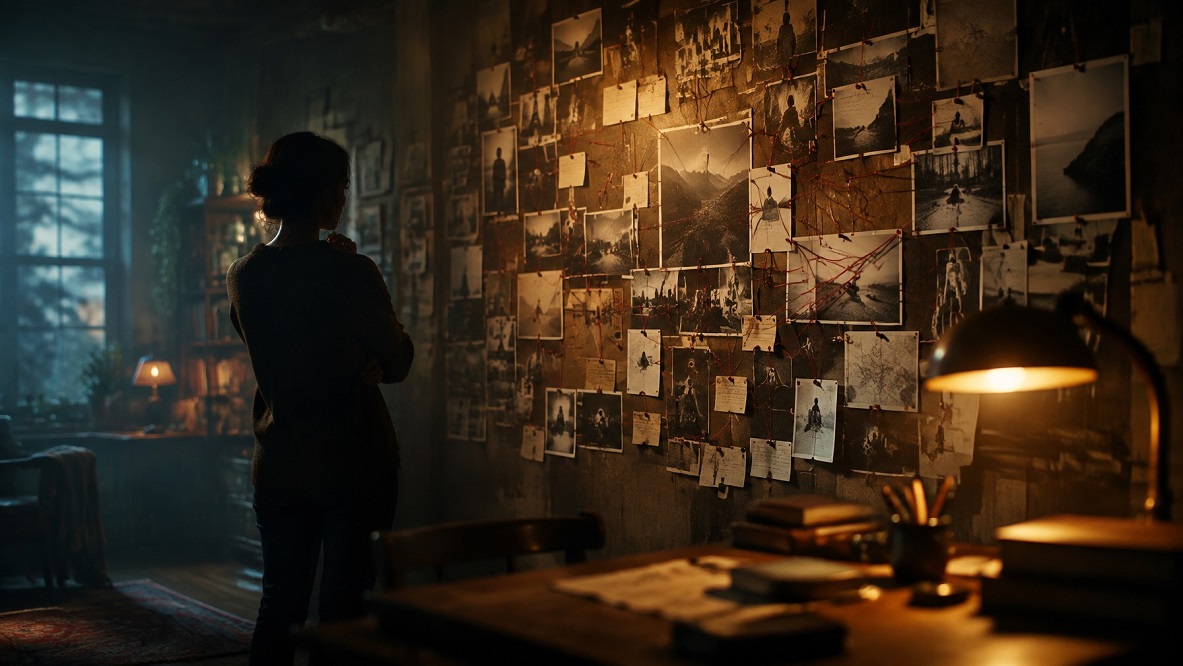
A genealogy timeline lists everything you know about an ancestor in date order, which makes gaps, conflicts, and patterns easy to see. Build one for […]
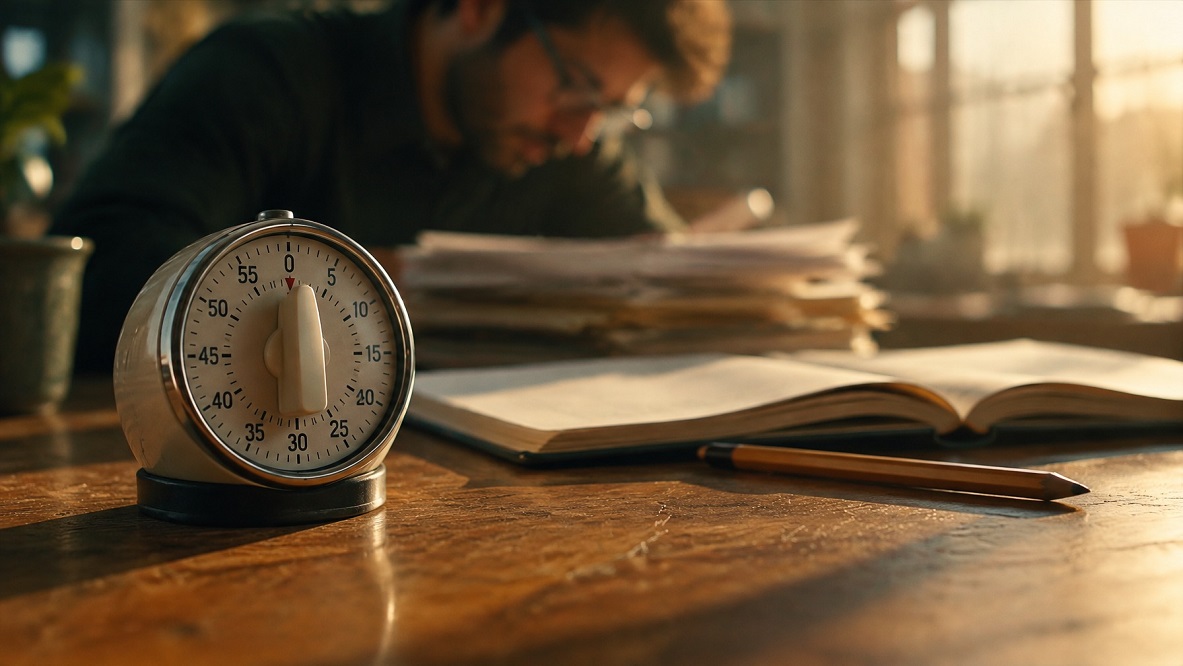
Many family historians report that their sharpest insights arrive deep into a long session, often around the third hour. No study has tested that exact […]
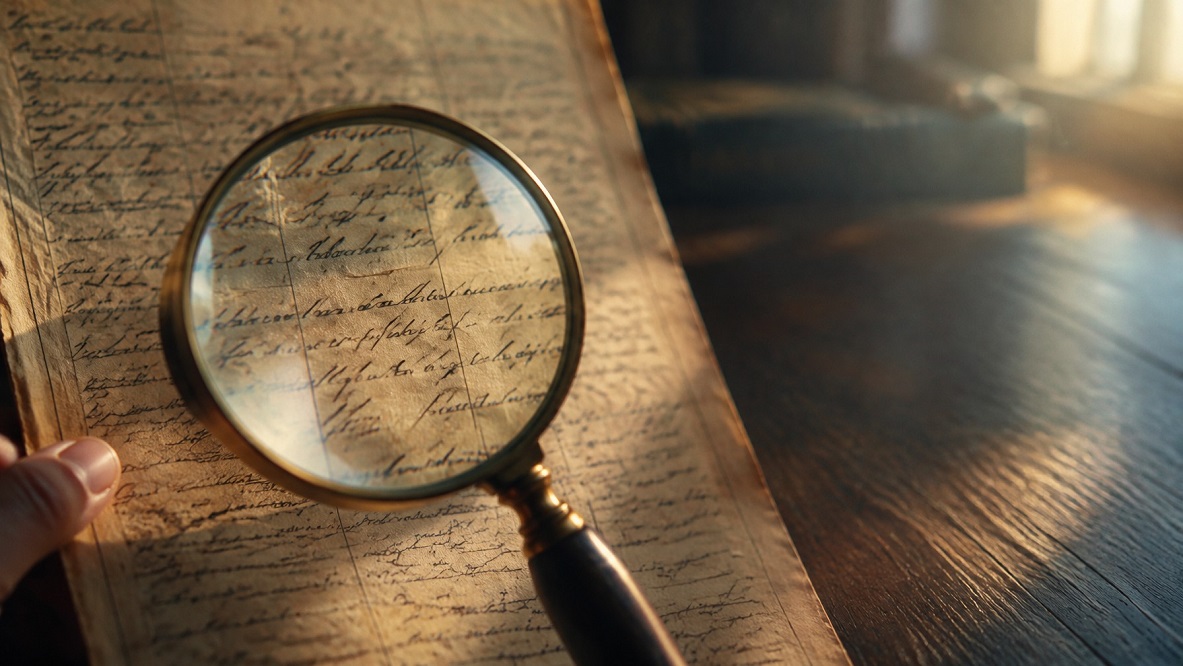
To spot name variants across census records, search by sound as well as spelling, list every spelling you find in one chart, and confirm each […]

To scan microfilm and digitized records without wearing yourself out, set up your reader or screen for comfort, work in short timed blocks, look away […]
Five spellings can still be one person. To match records with inconsistent names, compare more than the name: check age, birthplace, occupation, family members, and […]
To keep family lines straight when every generation has a John, treat each man as a separate person until the evidence connects him. Give each […]
To take good notes at a crowded family dinner, decide what you are listening for, carry a tiny notebook or phone note, write keywords instead […]
The best way to stay focused during a long genealogy research session is to plan it before you sit down. Choose one research question, silence […]
Genealogy is an act of remembering because each name you record, story you save, and date you confirm keeps a person present in your family’s […]